9 Foods and Supplements That Increase GLP-1 Naturally
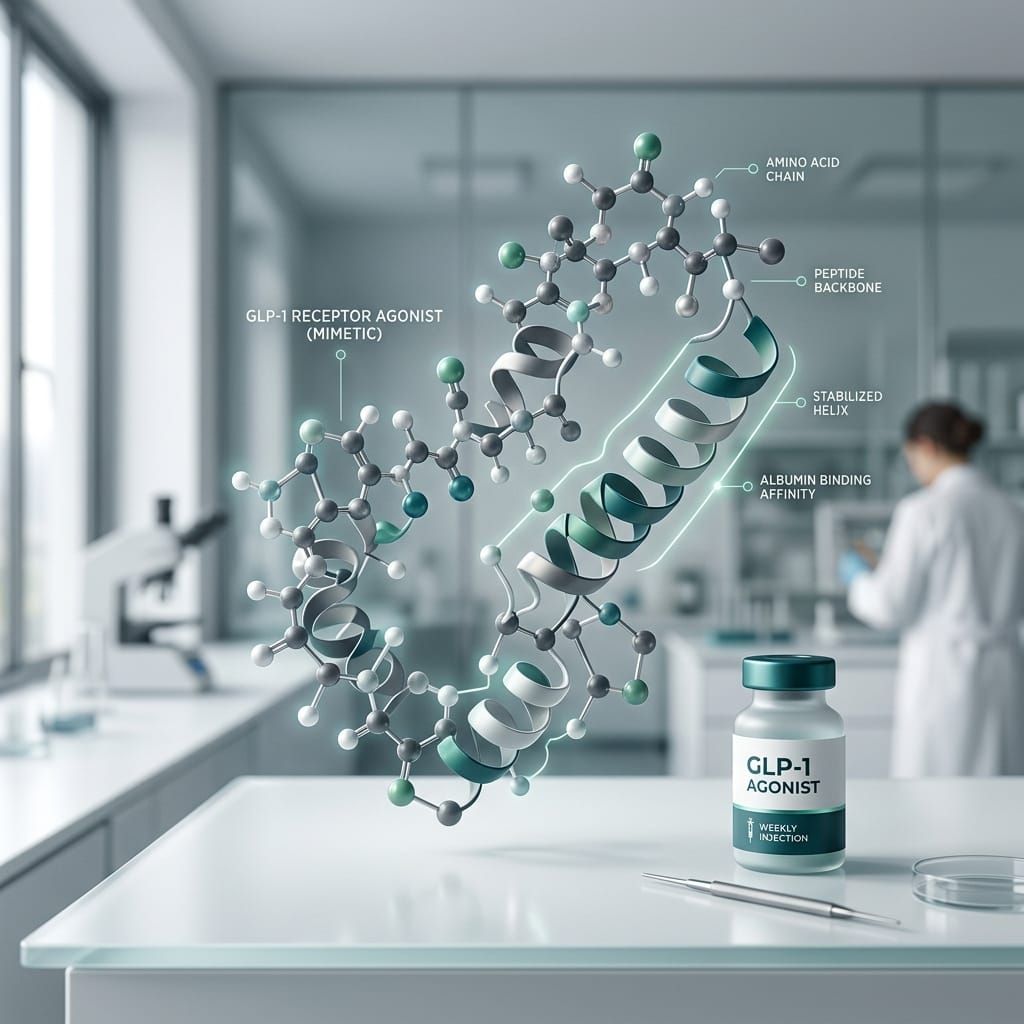
Man, I’ll be honest with you—I got sucked into the whole GLP-1 thing the same way a lot of folks probably did. You see the before-and-after photos, hear about people dropping 50, 60 pounds without starving, and suddenly every other podcast is talking about Ozempic like it’s the fountain of youth. But then you start reading the fine print: nausea that won’t quit, the cost that hits your wallet hard, and that weird fear of what happens when you stop. That’s when I started wondering—could my own body crank out more of this hormone without the needles?
Turns out, yeah, there are ways. Your gut already makes GLP-1 in those L-cells scattered through your intestines. Stuff like protein, certain fats, and fibers that your microbiome loves can trigger it naturally. It’s not going to give you the dramatic 15-20% body weight drop the drugs do, at least not for most regular people. But over months, it can mean fewer random cravings, steadier blood sugar, and just feeling more in control. I’ve messed around with a bunch of this stuff myself while living here in Texas heat, juggling real life, and I’ll tell you what actually seemed to move the needle for me and what the studies say.
This isn’t some polished sales pitch. Science in this area is still patchy—lots of cell and rat studies, smaller human trials, and plenty of “needs more research.” But the patterns are there if you dig. Let’s break down nine options that keep showing up, with the messy details included. I’ll share how I tried them, what worked (or didn’t), and practical ways to slip them into a normal day without feeling like you’re on some extreme protocol.
The Basics: Why GLP-1 Matters and How Food Actually Helps
GLP-1 is one of those smart hormones your body releases when food hits your gut. It slows digestion so you stay full longer, helps your pancreas release insulin only when it’s needed, and whispers to your brain, “Hey, you’ve had enough.” The drugs copy this effect but in a super-charged, long-lasting way. Natural stuff works gentler—by feeding the right gut bacteria, reducing inflammation, or tickling those L-cells directly through taste receptors and short-chain fatty acids.
I remember one Saturday I was out at a barbecue in The Woodlands, plate piled high with brisket and not much else. Felt stuffed but hungry again two hours later. Swapped in more fiber and protein the next week and noticed the difference. Nothing crazy, but my afternoon slumps got milder. Your mileage depends on your starting gut health, how much you move, sleep, stress levels—cortisol can mess with all this. These aren’t replacements if you’ve got serious diabetes or obesity; talk to your doctor. But for everyday metabolic support? They’re worth playing with.
1. Berberine – The Yellow Powder That Keeps Coming Up in Conversations
Berberine comes from plants like barberry. Traditional Chinese medicine has used it forever for gut stuff and blood sugar. Modern labs show it can protect those L-cells from stress and bump up GLP-1 secretion, sometimes through bitter taste receptors.
I tried 500 mg three times a day with meals for a month. First week, some loose stools—classic. After that, I felt like my hunger signals were a little quieter, especially in the evenings. One study mentioned modest weight loss around 4 pounds on average, plus better fasting glucose. Not Ozempic-level, but noticeable when paired with walking.
People in online groups swear by cycling it—four weeks on, one off—to keep gut flora happy. It can interact with meds, so get bloodwork checked. I buy third-party tested stuff because supplements aren’t tightly regulated. If you’re in Houston, you can find it at local vitamin shops or online easy.
2. Curcumin from Turmeric – That Golden Spice With Gut Hormone Perks
Curcumin, the active part in turmeric, triggers GLP-1 release in lab gut cells through calcium pathways. Rat studies showed better glucose tolerance from it. Small human trials with about 1,500 mg a day helped blood sugar and some weight markers in type 2 folks.
Absorption sucks unless you add black pepper or fat. I started throwing fresh turmeric root into smoothies or making golden milk with almond milk, black pepper, and a little coconut oil at night. The supplement version with piperine worked better for me. It also calms inflammation, which helps the whole gut environment.
One evening I overdid the curry and my stomach let me know—start low. But overall, it felt like a solid daily habit that supported steadier energy.
3. Ginseng – The Root That’s Been Around Forever for a Reason
American or Korean ginseng. Some rat work showed ginsenosides boosting GLP-1 after weeks. Human studies are mixed but often show modest improvements in HbA1c. I took 200-400 mg standardized extract in the mornings. Gave me calm focus without coffee jitters—nice when Texas humidity drains you.
Cycle it if you use it long term. Not dramatic alone, but it stacked well with the others.
4. Yerba Mate – That South American Tea Ritual That Might Curb Cravings
Polyphenols in yerba mate seem to help with appetite and fat loss in some trials, partly via GLP-1 and slower stomach emptying. I swapped my afternoon iced coffee for mate a few times. The earthy taste grows on you, especially cold-brewed. Felt sustained energy and fewer 3pm snack attacks. Brew it traditional style if you want the full experience, or grab extracts.
5. Bitter Melon – When Bitter Taste Literally Tells Your Gut “Enough”
Momordica charantia activates bitter receptors on L-cells. Small studies showed glucose and waist improvements. I found fresh bitter melon at an Asian market here in Houston, stir-fried it with eggs and spices. The bitterness is intense—your gut notices and responds with satiety signals. Supplements are easier if you can’t handle the taste. Start small; it can upset digestion.
6. Psyllium Husk – Boring Fiber That Actually Delivers
Soluble fiber like psyllium ferments into short-chain fatty acids that stimulate GLP-1. Mix 5-10g in water before meals. I noticed better fullness and regularity. Cheap, unsexy, but reliable. Drink tons of water or it turns into glue.
7. Soluble Fiber Foods – Oats, Barley, Beans, Apples – The Everyday Heroes
Beta-glucan in oats and barley stands out. NPR did a piece on barley fiber leading to more GLP-1 and satiety. I switched breakfast to overnight oats with chia, berries, and Greek yogurt. Kept me going till lunch most days. Aim for 25-38g total fiber, leaning soluble. Whole foods bring extra nutrients that isolated fiber misses.
8. Lean Proteins – Especially Whey, Eggs, Fish
Protein is a strong trigger. Whey preloads spike GLP-1 and another satiety hormone. I started hitting 30g+ at breakfast—Greek yogurt or a whey shake. Post-workout felt better, hunger stayed in check. Eggs, fatty fish, beans all help.
9. Healthy Fats – Olive Oil, Avocados, Omega-3s
Monounsaturated and omega-3 fats slow digestion nicely. Mediterranean eating with extra virgin olive oil links to higher post-meal GLP-1. I drizzle good olive oil on everything now. Avocados in salads, walnuts as snacks. Tastes great, works quietly.
Building a Real-Life Routine That Sticks (Not Some Instagram Fantasy)
Don’t overhaul your kitchen overnight. I started with breakfast changes because mornings are when I have control. Example day that worked for me:
- Breakfast: Overnight oats (beta-glucan win), scoop of whey or Greek yogurt, flax, berries, turmeric pinch.
- Mid-morning: Yerba mate or green tea.
- Lunch: Grilled fish or chicken, huge salad with avocado, olive oil, beans.
- Snack if needed: Apple with nuts or psyllium water.
- Dinner: Stir-fry with bitter melon or whatever veggie, protein, olive oil.
- Supplements: Berberine/curcumin/ginseng timed right, after doctor okay.
Eat slow. Chew. Walk 10-15 minutes after bigger meals—huge amplifier. Texas heat makes hydration key too.
I tracked cravings in a notes app for a couple weeks. Not perfect data, but evenings got easier. Some days nothing felt different—life happens, stress spikes, sleep suffers. Consistency over months is what mattered.
The Stuff Nobody Says Out Loud – Limitations and Frustrations
These won’t replace drugs for serious cases. Expect subtle shifts: better awareness of fullness, steadier energy, maybe gradual weight creep in the right direction if your diet was previously junk-heavy. Genetics, microbiome, age—all play roles. Supplements vary in quality; I got burned once buying cheap berberine that did zilch.
Side effects happen—GI stuff when ramping fiber or starting herbs. Interactions exist. If you’re on meds, get professional input. Research evolves fast; what looks good today might get nuance tomorrow.
Wrapping It Up Like a Real Person Would
Look, chasing natural GLP-1 support reminded me that our bodies have this machinery already. Feeding it fiber that ferments, proteins that trigger, fats that slow things down, and a few plant allies like berberine and curcumin just gives it better raw materials. It’s not sexy or instant. But after a couple months of playing with these nine—berberine, curcumin, ginseng, yerba mate, bitter melon, psyllium, fiber foods, proteins, healthy fats—I felt more in tune with my hunger cues and less at war with food.
Start with whatever feels least annoying. Maybe extra olive oil on dinner tonight or oats tomorrow morning. Track how you feel, not just the scale. In a world full of quick fixes, there’s something grounding about working with what your gut already knows how to do.
If you’re in Houston or anywhere dealing with real life, not perfect lab conditions, give yourself grace. Small, consistent changes compound. Your L-cells will thank you in their quiet way, and you might just find meals satisfying again without the drama.
References
Araj-Khodaei, M., et al. (2024). Berberine-induced glucagon-like peptide-1... Biotechnic & Histochemistry. https://doi.org/10.1080/13813455.2023.2258559
Kato, M., et al. (2017). Curcumin improves glucose tolerance via stimulation of glucagon-like peptide-1 secretion. Molecular Nutrition & Food Research, 61(3). https://doi.org/10.1002/mnfr.201600474
Liu, C., et al. (2013). Increased glucagon-like peptide-1 secretion... Journal of Endocrinology.
Ohio State Health & Discovery. (2025). How to activate GLP-1 naturally. https://health.osu.edu/wellness/exercise-and-nutrition/activiating-glp-1-naturally
Takikawa, M., et al. (2013). Curcumin stimulates... Biochemical and Biophysical Research Communications.
Yu, Y., et al. (2015). Berberine induces GLP-1 secretion through activation of bitter taste receptor pathways. Biochemical Pharmacology.
Additional sources: GoodRx (2025), Healthline reviews on fiber/protein/fats (2026), PubMed summaries on SCFAs and incretins. APA 7th. Always check latest studies—science moves. Consult your doctor before big changes.